Evolving Horizons: Innovative Approaches to the Future of B2B Marketing
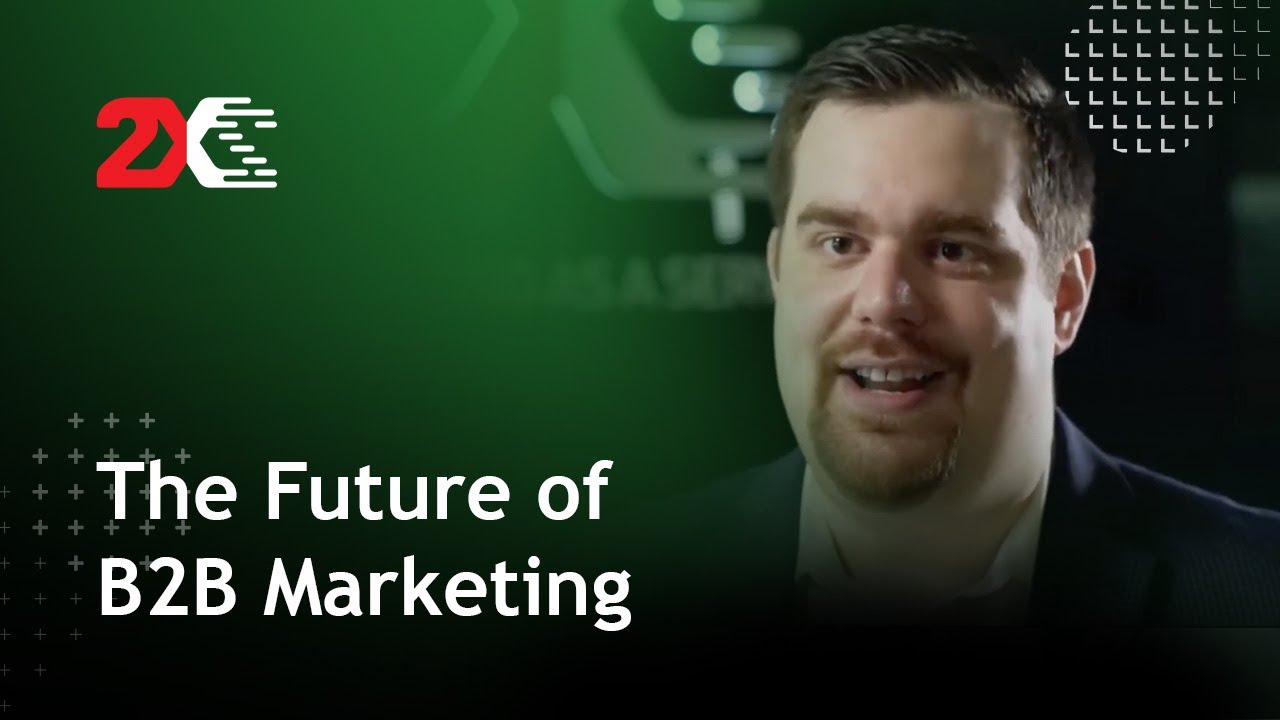
The B2B marketing landscape is undergoing rapid transformation. Changing buyer expectations, emerging technologies, and data-driven strategies are redefining how businesses connect with clients. To thrive, companies must anticipate shifts and adopt forward-thinking approaches. Understanding the future of B2B marketing is essential for staying competitive, building trust, and driving sustainable growth.

Embracing Digital-First Strategies
Digital channels are no longer optional—they are at the core of modern B2B marketing. From social media to advanced email campaigns, businesses are leveraging digital platforms to reach decision-makers more effectively. Websites, online communities, and virtual events have become critical touchpoints for building relationships and establishing authority.
The future of B2B marketing will prioritize fully integrated digital strategies that combine multiple platforms seamlessly. Organizations adopting a digital-first mindset can provide consistent messaging, personalized content, and real-time engagement. Businesses that lag in digital adoption risk losing relevance in a market where buyers increasingly rely on online research and digital interactions.
Harnessing AI and Predictive Analytics
Artificial Intelligence (AI) is transforming B2B marketing from reactive to proactive. AI-powered tools analyze data from multiple sources, enabling marketers to predict customer needs, personalize messaging, and optimize campaigns. Predictive analytics can identify high-value leads and recommend the most effective engagement strategies.
The future of B2B marketing will see AI deeply integrated into decision-making. From chatbots providing instant support to automated content recommendations, businesses can enhance efficiency and deliver highly relevant experiences. Leveraging AI allows companies to reduce wasted effort, shorten sales cycles, and generate measurable results in competitive markets.
Personalized Content at Every Stage
Modern B2B buyers expect relevant, tailored content throughout their journey. Generic campaigns no longer resonate in a market where decision-making involves multiple stakeholders and extensive research. Personalized content addresses specific industry challenges, buyer roles, and pain points.
The future of B2B marketing will focus on hyper-personalization at scale. By combining customer data, AI insights, and advanced marketing automation, companies can deliver content that feels custom-made for each client. This approach not only boosts engagement but also builds credibility and trust, which are crucial for long-term B2B relationships.
Account-Based Marketing as a Core Strategy
Account-Based Marketing (ABM) is emerging as a dominant strategy in the B2B space. ABM focuses on targeting specific accounts with tailored campaigns designed to influence key decision-makers. Unlike broad campaigns, ABM maximizes ROI by aligning marketing efforts with high-value opportunities.
The future of B2B marketing will see ABM enhanced with analytics, AI, and automation. Marketers can track account behavior, anticipate needs, and deliver content precisely when it matters most. Integrating ABM with digital tools ensures campaigns are efficient, measurable, and capable of building stronger client relationships.
Integrating Omnichannel Experiences
B2B buyers interact with brands across multiple touchpoints—email, social media, webinars, virtual demos, and in-person meetings. Providing a seamless experience across these channels is essential to maintain engagement and trust. Omnichannel strategies ensure that messaging remains consistent and relevant throughout the buyer’s journey.
The future of B2B marketing will emphasize integrated omnichannel experiences. Companies that harmonize their digital and offline efforts can create stronger brand recognition, improve engagement rates, and foster loyalty. Omnichannel strategies allow businesses to meet buyers where they are while delivering a unified and professional experience.
Sustainability and Ethical Marketing Practices
Today's B2B buyers are increasingly conscious of environmental, social, and ethical considerations. Companies demonstrating responsibility in their operations, supply chains, and marketing practices stand out in a crowded market. Transparent, ethical communication builds credibility and strengthens client relationships.
The future of B2B marketing will integrate sustainability and ethics into core strategies. Highlighting corporate responsibility and adopting environmentally conscious initiatives will appeal to buyers seeking value-aligned partners. Brands that embrace ethical marketing will not only attract clients but also foster loyalty in a socially aware B2B ecosystem.
Conclusion: Preparing for a Transformative Landscape
The future of B2B marketing is dynamic, digital-first, and data-driven. AI, predictive analytics, ABM, omnichannel strategies, and ethical practices are reshaping how businesses engage with clients. Companies that adapt early to these trends will enhance customer experiences, improve ROI, and maintain relevance in a rapidly evolving market. The path forward requires innovation, agility, and a commitment to delivering value at every stage of the buyer journey.
